Why Clay Oven Cooking Gives You the Best Indian Food at Home
There is a reason why the best Indian restaurants build their kitchens around a tandoor. That bell-shaped clay oven, buried in the kitchen like a relic from another century, produces flavours no standard gas hob or electric oven can replicate. The heat is fierce and direct, the smoke carries notes of charcoal and clay, and the cooking method itself is ancient. When you eat a piece of chicken tikka or a seekh kebab that has been cooked in a tandoor, you taste that history.
But clay oven cooking isn't just for restaurants. More home cooks are exploring what a small tabletop tandoor can do, and the results are genuinely impressive. The key is understanding how the clay oven changes the food, and what you need to do to get those results yourself.
The Science of the Tandoor
A tandoor is essentially a ceramic vessel that reaches temperatures of 480°C or higher. That is far beyond what a domestic oven can manage. At those temperatures, meat sears almost instantly, locking in juices while the outside develops a char that is smoky and sweet at the same time. The clay walls also radiate heat evenly, so the cooking is consistent from top to bottom.
This is where clay oven cooking differs from grilling on a metal rack. The clay absorbs moisture from the cooking chamber, which means the air stays relatively dry. That dryness helps create a crust on the outside of the meat or bread while the inside stays tender. Naan bread, for example, puffs up and develops those characteristic brown blisters because the dough hits a hot clay surface and the steam inside pushes the bread outward faster than the crust can set.
Marinades also behave differently. The high heat caramelises the sugars in yoghurt and spice pastes, creating a layer of flavour that is complex and deep. The same marinade on a barbecue grill would mostly drip away or burn before the inside of the meat is cooked. In a tandoor, the marinade sticks to the meat and cooks onto it.
Getting the Equipment Right
If you want to try clay oven cooking at home, you have options. The traditional route is a full-size clay tandoor, which is a substantial piece of equipment. These are often installed in a garden or outdoor kitchen because they need to be set into a frame and can get very hot on the outside. They are also heavy and need careful handling. But for someone who loves Indian food and cooks regularly, a full tandoor is worth the investment.
For most people, a smaller tabletop version is more practical. These are essentially scaled-down tandoors, made from the same fired clay, that sit on a heatproof surface and use charcoal or gas as fuel. They are portable enough to take on a camping trip or to use on a balcony. The cooking results are very close to the real thing, though you may need to preheat them for longer because they have less thermal mass.
A third option is a clay oven insert for a regular barbecue. These are shaped like a large flowerpot and sit on top of the coals. They radiate heat inward and upward, creating a tandoor-like environment inside your existing grill. They are inexpensive and a good way to test whether you enjoy the style of cooking before committing to a dedicated tandoor.
Fuel Matters
Charcoal is the traditional fuel for a tandoor, and it contributes significantly to the flavour. The type of charcoal matters. Hardwood lump charcoal burns hotter and cleaner than briquettes, which often contain binders that can leave an off taste. Coconut shell charcoal is another option, common in South Indian cooking, and it burns very hot with almost no smoke.
Gas-fired tandoors are also available and are popular in commercial kitchens because they are easier to control and light. They do not give quite the same smoky flavour as charcoal, but they are consistent and convenient. For a home cook, a gas tandoor might be the better choice if you plan to use it frequently and do not want to deal with lighting and managing charcoal every time.
Some cooks use a mix: start with charcoal to get the heat and smoke, then switch to gas to maintain the temperature for longer cooks. That is a practical compromise, but it takes practice to get right.
What to Cook First
The most satisfying thing to make in a clay oven is chicken tikka. Boneless pieces of chicken, marinated in yoghurt, ginger, garlic, and a blend of spices like cumin, coriander, and turmeric, are threaded onto skewers and placed inside the tandoor. The heat is so intense that the chicken cooks in about twelve to fifteen minutes. The outside chars and crisps, while the inside stays juicy. Served with mint chutney and lemon wedges, it is hard to beat.

Seekh kebabs are another classic. Minced lamb, mixed with chopped onion, fresh coriander, green chilli, and a pinch of garam masala, is pressed onto flat skewers and cooked in the tandoor. The high heat seals the outside quickly, so the kebab stays moist. The fat from the lamb renders and bastes the meat as it cooks. The result is tender, flavourful, and slightly smoky.
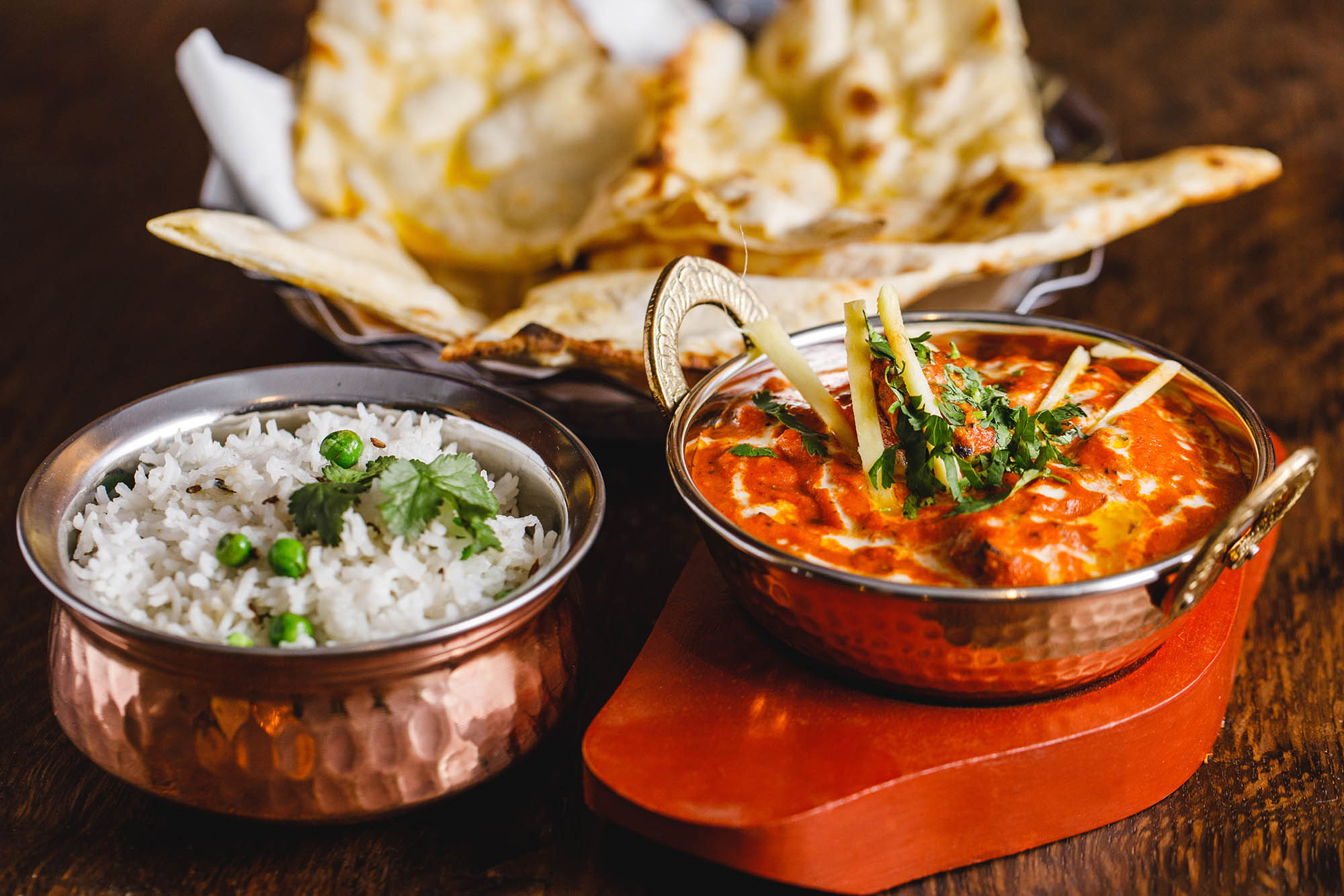
Naan bread is perhaps the most impressive thing to attempt. The dough is simple: flour, yoghurt, a little oil, and salt, with a touch of baking powder for lift. The trick is slapping the dough onto the inside wall of the tandoor and letting it bake until it blisters and browns. It takes a bit of practice to get the dough to stick properly, but once you do, the results are far superior to anything you can make in a standard oven.
Fish also works well. Whole trout or fillets of firm white fish like cod or sea bass can be marinated with a paste of ginger, garlic, chilli, and a squeeze of lemon juice, then cooked directly on a skewer. The high heat cooks the fish quickly, so it is easy to overcook it. Keep a close eye on it. Two minutes too long and the fish dries out.
Connect with us on Instagram.
Tips for Better Results
One of the most common mistakes people make with clay oven cooking is not preheating the tandoor long enough. The clay needs to absorb heat fully before it can cook properly. A good rule of thumb is to light the charcoal or turn on the gas at least thirty minutes before you plan to cook. The inside walls should be almost too hot to hold your hand near the opening.
Another mistake is overcrowding the tandoor. The skewers need space around them for the heat to circulate. If you pack the tandoor too full, the food steams rather than sears, and you lose the texture that makes tandoori food special. Cook in batches if necessary.
Marination time matters too. For chicken or lamb, a minimum of four hours in the fridge is good, but overnight is better. The acid in the yoghurt helps tenderise the meat, and the spices have time to penetrate. For fish, thirty minutes to an hour is enough, because the flesh is more delicate and the marinade is meant to coat rather than soak in.
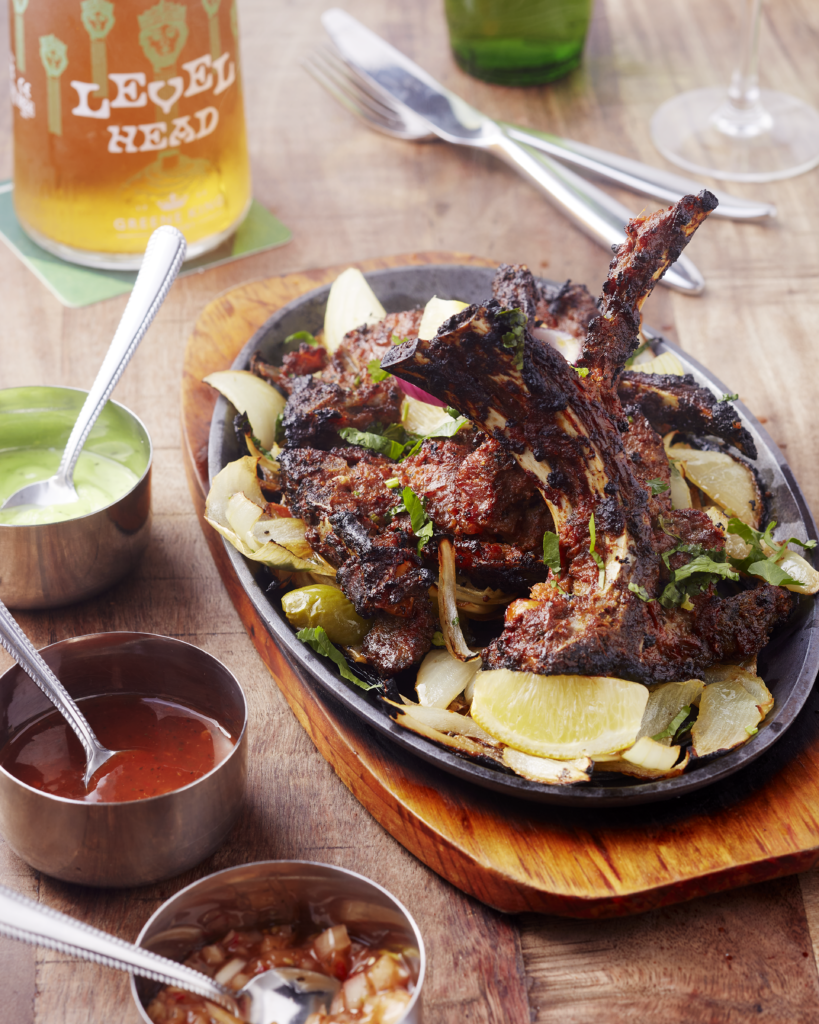
Finally, do not be afraid to use skewers that are flat rather than round. Flat skewers prevent the meat from spinning around when you turn them, which makes it easier to get even cooking. Round skewers are fine for kebabs that are pressed around them, but for chicken pieces, flat skewers are more practical.
Why It Matters
Clay oven cooking is not a trend or a gimmick. It is a technique that has been refined over thousands of years, and it produces food that is genuinely different from anything else. The combination of intense heat, dry air, and clay walls creates a cooking environment that is hard to replicate with modern equipment. When you taste food cooked in a tandoor, you are tasting a method that predates almost every other cooking technique still in common use.
If you want to experience this style of cooking without setting up your own tandoor at home, places like Smokey Barrels on 1741 Coventry Rd, Birmingham B26 1DS, UK, can be reached at +44 121 764 5519. Smokey Barrels is an Indian restaurant and sports bar on Coventry Road, Birmingham, around ten minutes from Birmingham Airport and the NEC. The kitchen is built around the clay tandoor, serving mixed grills, chicken tikka, seekh kebabs, lamb chops and masala fish, alongside curries, vegetarian dishes, pub classics and a children’s menu. The spice menu is halal. The bar pours nine beers on tap, cocktails and pitchers, with Premier League football, boxing, F1, cricket and rugby shown live on big HD screens. There’s free on-site parking, a beer garden, and private hire for 70 to 150 guests.